At the end of April, I embarked on a three-day motorcycle adventure along the Trans Euro Trail (TET) in Spain with two friends.
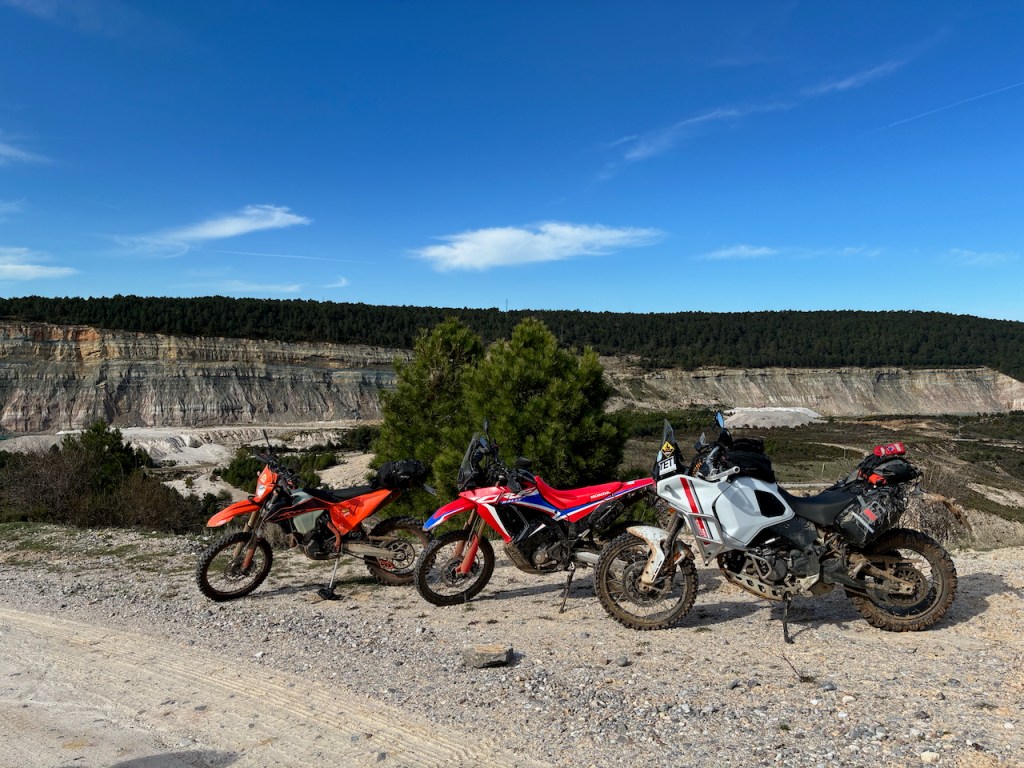
We each had different bikes: I was on a Ducati DesertX, one friend rode his brand-new Honda CRF300L, and the other borrowed my KTM EXC-F 250. Here are some thoughts from the trip – no fluff, just real impressions.
The route
I planned a loop through the Alto Tajo mountains, not far from Teruel, aiming for around 250–270 km per day. To access the loop, I added an off-road approach of approximately 180 km.
The off-road approach didn’t go exactly as planned. I used the Stegra app with its “lead me off-road” feature and a bit of guesswork. We got about 60 km of off-road in, but once we hit the mountains, things got tougher and we decided to retreat. I switched to Google Maps in “avoid highways” mode. It was a good call – the roads were asphalt, but narrow, twisty, and led through beautiful canyons with vertical rock walls. Without the switch, we might not have made it before dark.
Riding the TET
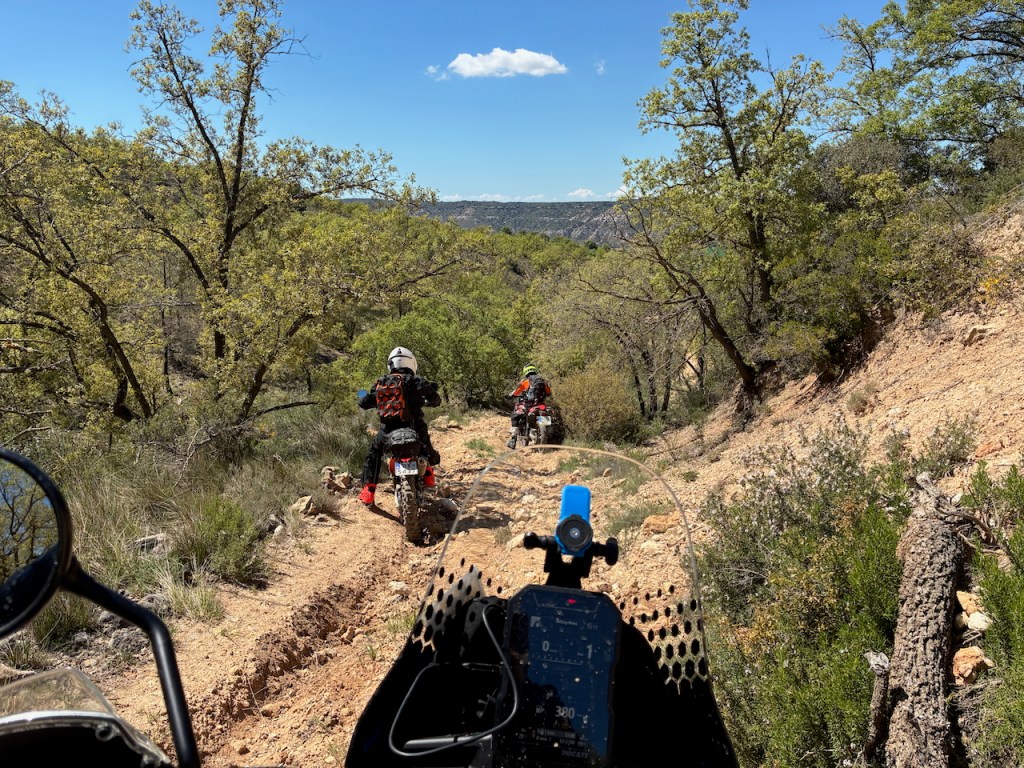
The TET section #28 through Alto Tajo turned out to be a bit more ambitious than expected, primarily due to the distance and high mountain terrain. We rode a mix of fast gravel and slow, technical trails – mainly dry mud, rocks, and steep climbs. We usually started at 9-10 AM and aimed to finish around 7 PM, with generous breaks. For our group, planning to cover closer to 200 km per day would have been more realistic in this terrain.
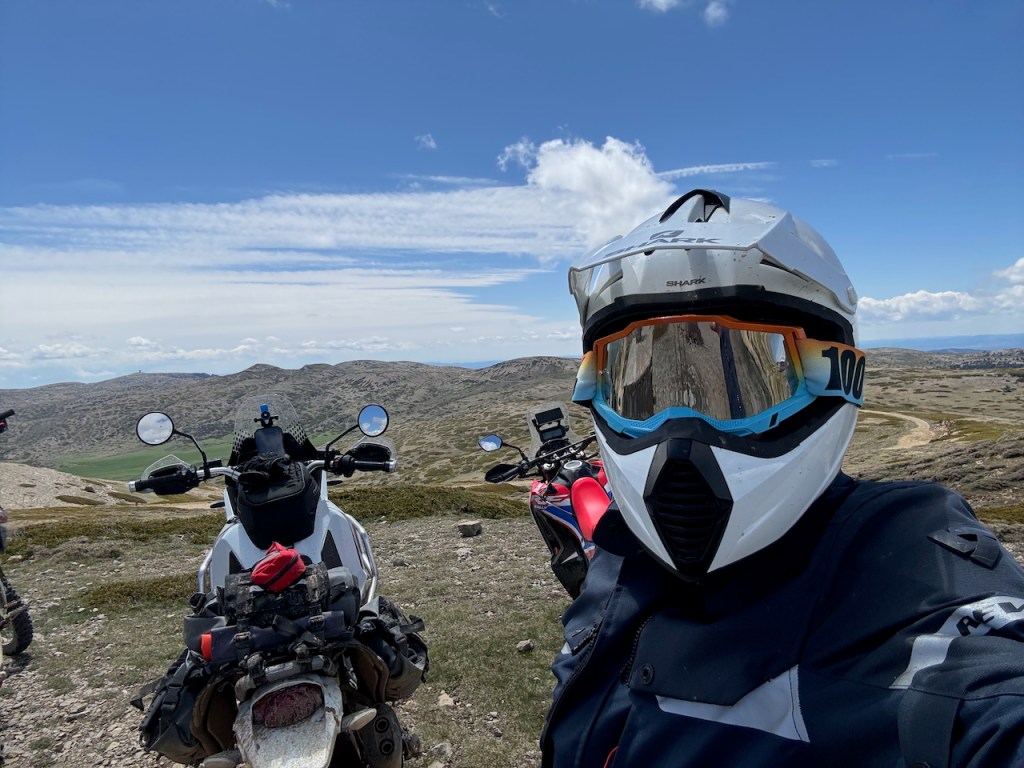
The area is no joke – we were often riding above 1600-1800 meters, and at one point climbed over 2000 meters to Javalambre peak, the top of a ski resort. It was cold up there – around 8°C, with wind chill making it feel like -1°C. We didn’t hang around too long. We took a few photos and moved on.
Terrain and conditions
There were a lot of rocky climbs and dried mud sections. Some trails reminded me of riding in the Beskid Mountains in Poland. River fords, water, and deep mud were only in certain spots, but you could definitely get stuck if you were not careful.
It had been raining for about six weeks before our trip, so many roads were washed out, full of deep ruts (some up to a meter deep), and a few large water crossings. A week before our ride, it had snowed there, and judging by the dried ruts, that must’ve been brutal. We were fortunate to choose the last week of April for that journey, when the ground had dried up a bit.
All that said, it’s doable even on a heavier ADV bike, as long as the rider knows what they’re doing and has proper tires.
Scenery
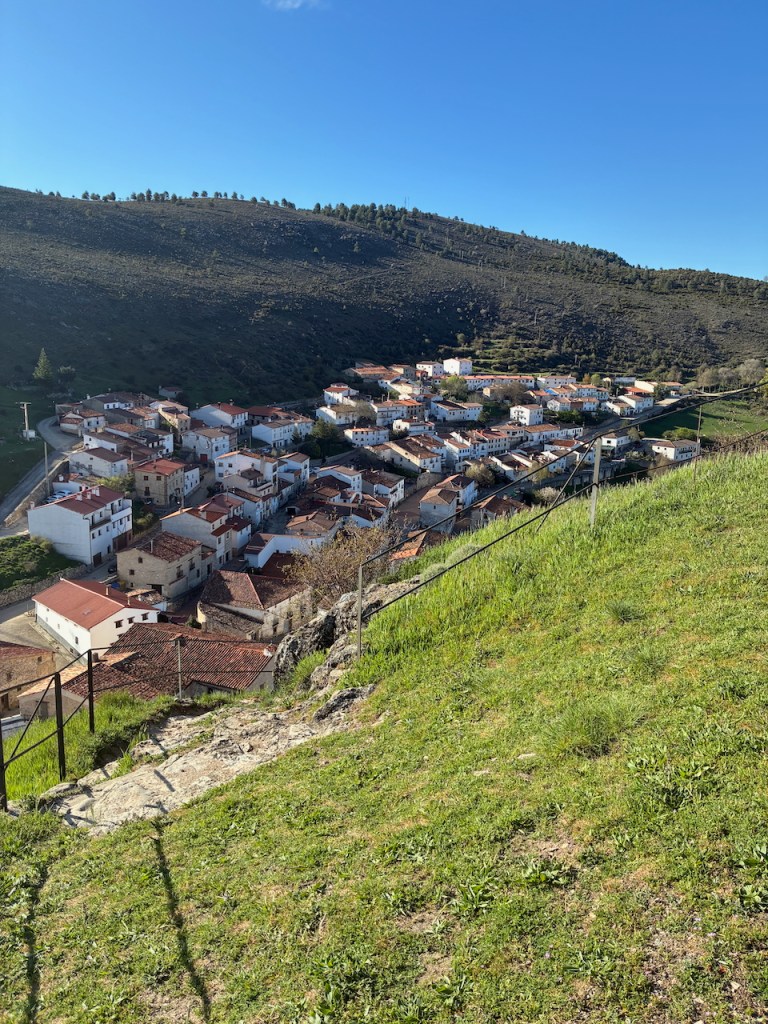
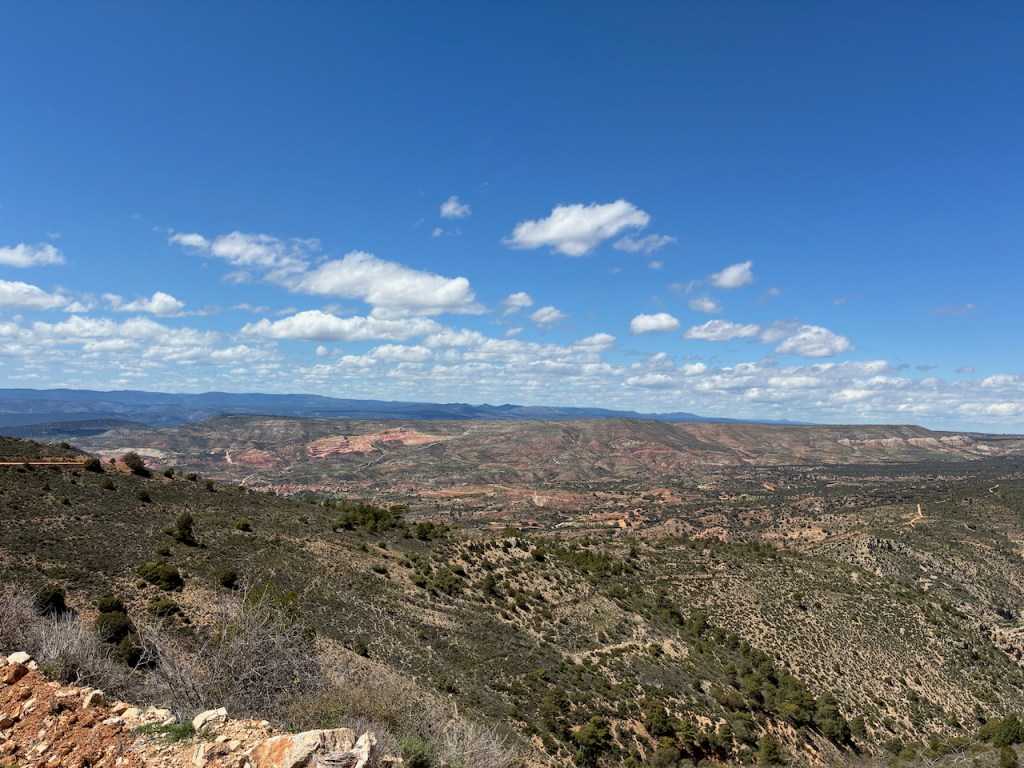
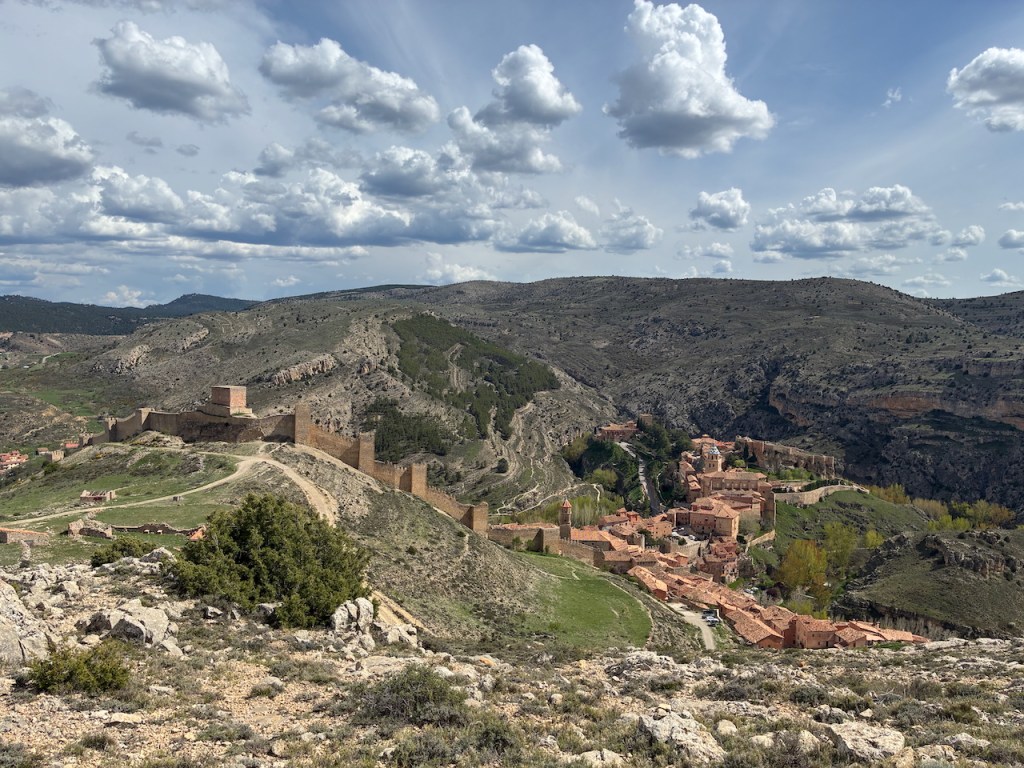
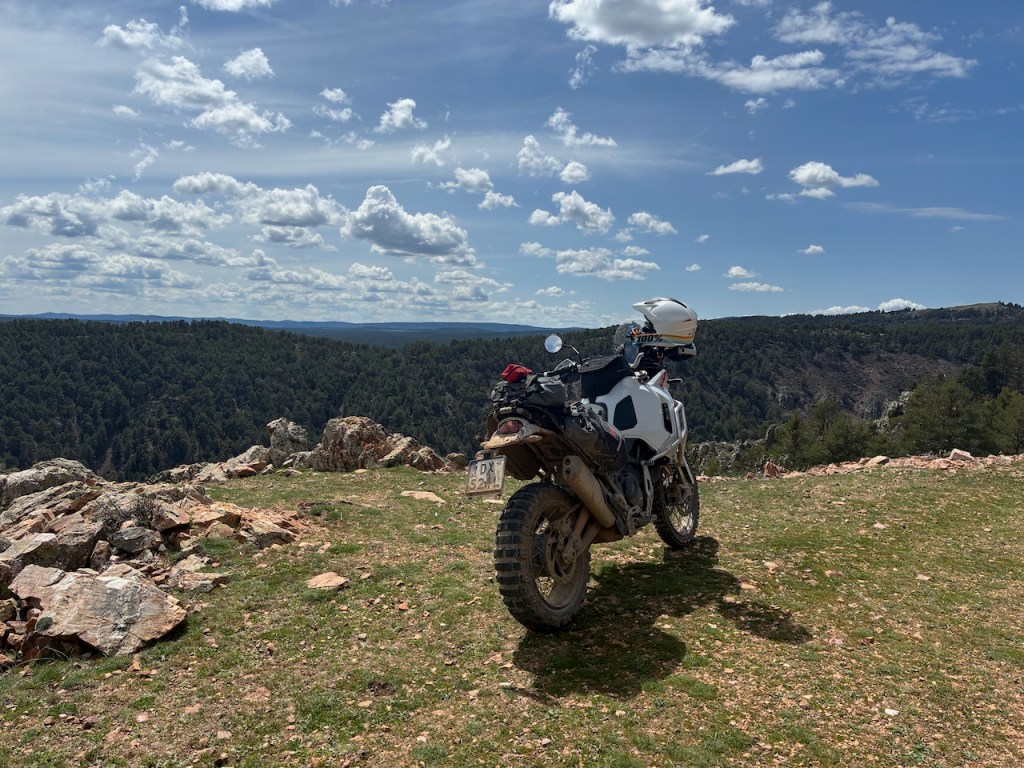
The views were incredible – so much so that after a while we stopped taking photos. It felt like every corner had another village built into cliffs, another perfect mountain landscape, or another waterfall. Spain truly excels when it comes to riding in stunning locations.
We saw scenic villages like Valdemeca, Beteta, Peralejos de las Truchas, Albarracín, and Huélamo, the Tajo River springs, and canyons reminiscent of the Grand Canyon. We spotted a variety of wild animals, including roe deer, deer, chamois, and rabbits, and as well as not-so-wild animals like horses, cows, sheep, or goats.
The TET linesman did a great job picking those routes through the places worth seeing and visiting.
Gear & comfort
I was in two minds, but I decided to skip full enduro armor and opted for my Rev’it Outback 4 adventure gear and Alpinestars Tech 7 boots. Honestly, it was a great decision. Comfort won, and I still felt safe the whole time.
To bring my stuff, I used a Red Mamut X-DURO 36L rackless luggage system and a Wunderlich tank bag. DesertX is a heavy beast, but it’s comfy and excels on asphalt, as well as on easier dirt roads, and is still capable of navigating more challenging terrain.
Accommodation
We stayed in small towns along the route, usually 10-15 km off the trail: Poveda de la Sierra, El Castellar, and Huélamo. Booking.com made it easy, but we had made reservations a few weeks before the trip. I liked that choice as every night, we had a warm place to stay, with dinner and breakfast, and we could travel light.
One tip: if there’s only one restaurant in town, check if it’s open – we almost went hungry thanks to a Barca-Real game!
Final thoughts
This TET section is the closest to Madrid – everything else is 250–450 km away. For future trips, such as other parts of TET, ACT Pyrenees, or ACT Portugal, I’ll probably use transport to avoid wasting knobby tires on long tarmac sections.
Also, I nearly destroyed my iPhone. At one point, the camera lens was literally shaking. I forgot to move the vibration damper from my KTM to the DesertX. Lesson learned: always use an iPhone with a vibration damper and consider upgrading to a proper navigation setup, such as a dedicated Android unit like a DMD or Garmin.
Oh – and bring a boot dryer, like for ski boots. I didn’t have one, but my wise friend did, and he always started the day with dry feet.
This ride reminded me why I love adventure travel on two wheels: unpredictable roads, stunning views, and a great time spent with good friends.
 Braap.blog
Leave a comment